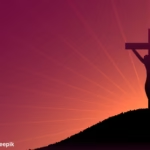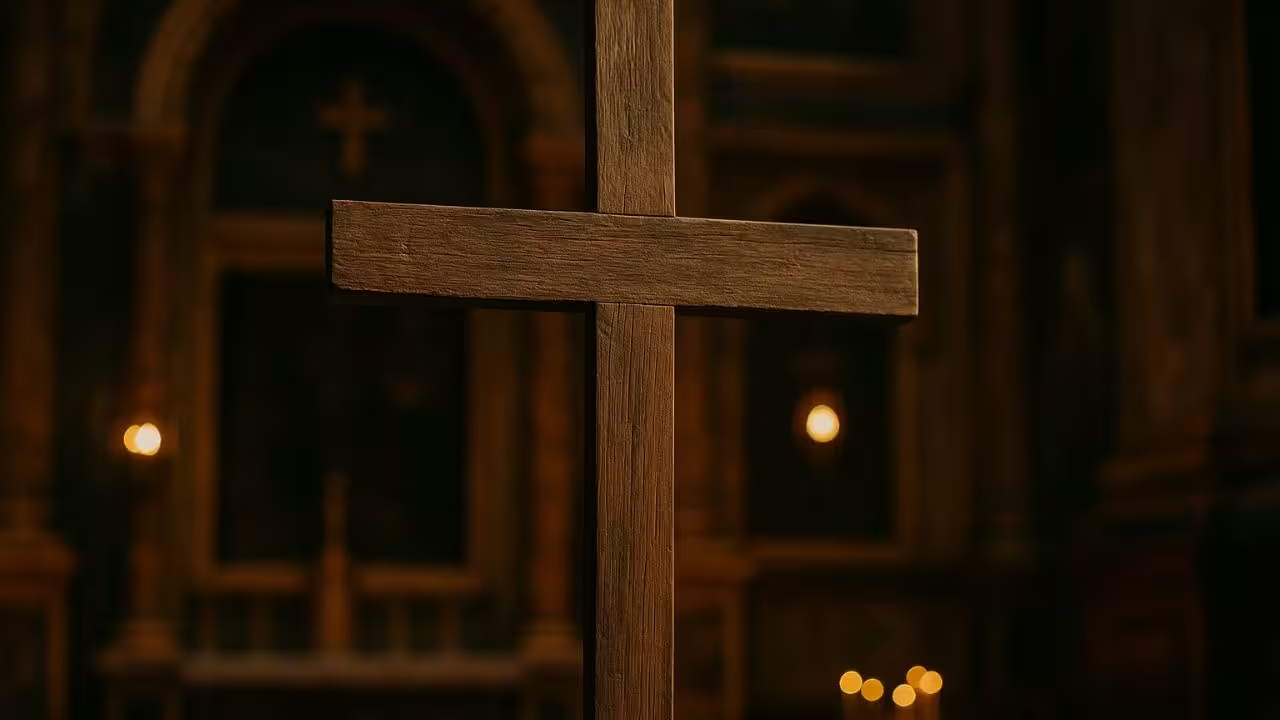
Every year on September 14, Christians around the world observe Holy Cross Day, also known as the Feast of the Exaltation of the Holy Cross. This day holds deep religious meaning for many believers, as it is dedicated to remembering the cross on which Jesus Christ was crucified, and the profound symbolism of redemption, sacrifice, and salvation that it carries.
Historical Background of Holy Cross Day
The origins of Holy Cross Day date back to the early centuries of Christianity. According to historical accounts:
- In the 4th century, Saint Helena, the mother of Emperor Constantine, is said to have discovered the True Cross in Jerusalem while on a pilgrimage.
- The Church of the Holy Sepulchre was then built on the site where the cross was discovered, and it was dedicated on September 14, 335 A.D.
- Since then, the date has been commemorated as the Feast of the Exaltation of the Holy Cross.
This feast is not only a remembrance of the discovery of the cross but also a celebration of its enduring significance in the Christian faith.
Why Do We Celebrate Holy Cross Day?
The cross is the central symbol of Christianity. It represents:
- Sacrifice: The crucifixion of Jesus was the ultimate act of sacrifice for humanity’s sins.
- Victory over death: Christians believe that Jesus’ resurrection transformed the cross from a symbol of suffering into one of hope and eternal life.
- Faith and devotion: The cross serves as a daily reminder of God’s love and mercy.
Celebrating Holy Cross Day allows believers to honor this sacred symbol and reflect on the spiritual meaning of Christ’s passion and resurrection.
What Do People Do on Holy Cross Day?
Traditions and practices on this day vary depending on cultural and denominational backgrounds, but common observances include:
- Special Church Services
- Catholic, Orthodox, and many Protestant churches hold liturgies dedicated to the exaltation of the cross.
- The service often includes the reading of Gospel passages related to the crucifixion.
- Veneration of the Cross
- In many traditions, the faithful bow or kiss the cross as a gesture of reverence.
- Priests may lift the cross high for the congregation to see, symbolizing its exaltation.
- Fasting and Prayer
- Some Christian communities observe fasting on this day.
- Believers engage in prayers of repentance, thanksgiving, and reflection on Christ’s sacrifice.
- Processions and Rituals
- In some regions, processions carrying a cross take place, often accompanied by hymns and readings.
- In Eastern Orthodox churches, a decorated cross is placed in the center of the church for veneration.
- Charitable Acts
- Following the example of Christ’s selflessness, many people dedicate the day to helping others, performing charitable works, and acts of kindness.
Theological Significance of the Cross
The cross is more than a historical artifact; it carries deep theological meaning. The Feast of the Holy Cross reminds Christians of these truths:
- The cross is not the end, but the path to resurrection.
- It symbolizes hope in suffering, showing believers that trials can lead to spiritual renewal.
- It calls Christians to live lives of humility, service, and faith.
As Saint Paul wrote: “We preach Christ crucified… the power of God and the wisdom of God.” (1 Corinthians 1:23-24)
Holy Cross Day in the Catholic Church
For Catholics, Holy Cross Day is a solemn feast that emphasizes the triumph of the cross. The Mass readings focus on:
- The lifting up of the bronze serpent by Moses in the desert (Numbers 21:4-9).
- Jesus’ words about being “lifted up” to draw all people to Himself (John 3:13-17).
The liturgy celebrates both the suffering and glory of Christ, encouraging the faithful to embrace the cross in their own lives.
Holy Cross Day in the Eastern Orthodox Church
The Orthodox Church calls this feast the Exaltation of the Precious and Life-Giving Cross. It is one of the Great Feasts of the liturgical year. Key traditions include:
- A solemn procession of the cross during the Divine Liturgy.
- Lifting and lowering of the cross multiple times while the congregation chants “Lord, have mercy.”
- Strict fasting, as the feast is considered a penitential day.
For the Orthodox faithful, this is both a day of joy and solemn remembrance.
Holy Cross Day in Other Christian Traditions
- Protestant Churches: While not always marked as a major feast, many Protestant communities reflect on the meaning of the cross through sermons and prayers.
- Anglican Communion: The Church of England and other Anglican traditions observe Holy Cross Day with special services and hymns focusing on Christ’s passion and resurrection.
Modern Relevance of Holy Cross Day
Even in today’s world, the message of the cross remains powerful. Holy Cross Day is an invitation to:
- Reflect on themes of sacrifice and redemption.
- Strengthen one’s personal faith journey.
- Recommit to values of compassion, service, and forgiveness.
For many, the day serves as a reminder that faith in the cross brings courage in the face of life’s challenges.
By reflecting on Holy Cross Day, believers find not only a link to Christian history but also a renewed sense of purpose in their daily lives. The feast stands as a yearly call to embrace the cross with gratitude, to live faithfully in light of Christ’s sacrifice, and to carry forward its timeless message of hope and redemption.