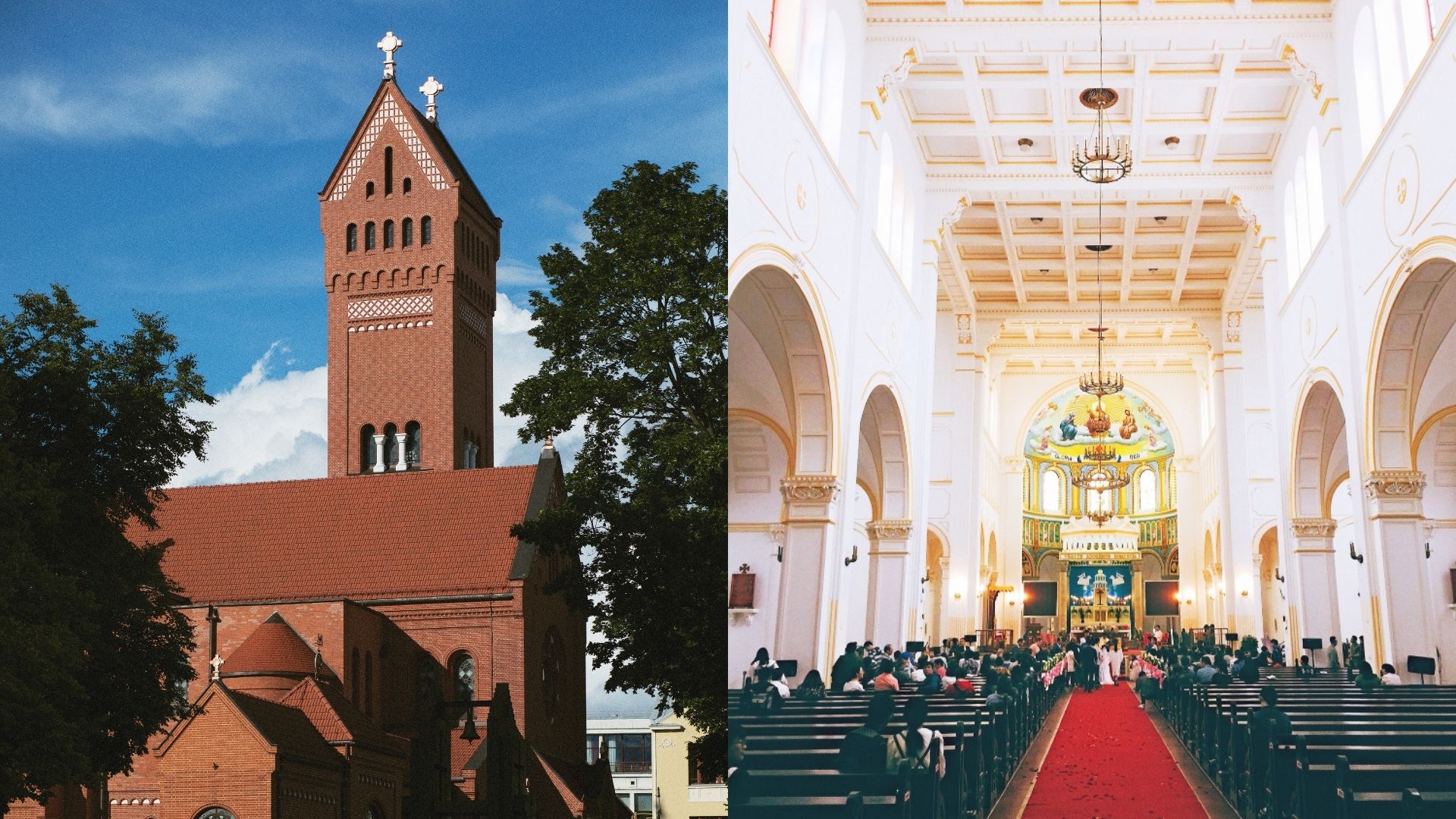
The Church is central to Christian life and faith, often described as both a physical building and a spiritual community. For those who are new to Christianity or have little knowledge about it, understanding what a church is, what happens inside, and why it holds such importance is essential. Beyond being a place of worship, the Church is a foundation of Christian culture, history, and daily practice. This article explores the meaning, role, structure, worship, and variations of the church in extended detail, offering a comprehensive look at why it remains such a vital part of Christianity.
Table of Contents
Meaning and Foundation of the Church
What Is a Church According to the Bible?
According to the Bible, the Church is not just a building but the assembly of believers who gather in the name of Jesus Christ. The Greek word ekklesia means “called-out ones,” referring to a community of faithful people who follow Christ’s teachings. In the New Testament, the Church is often described as the “Body of Christ,” with Jesus as its head and the believers as its members. This spiritual image shows the Church as living and dynamic, with each member playing a unique role, much like the parts of a body working together for a common purpose.

The Bible also emphasizes that the Church is built upon the foundation of the apostles and prophets, with Christ as the cornerstone (Ephesians 2:20). In Matthew 16:18, Jesus himself declared, “on this rock I will build my church,” further strengthening the biblical foundation. The book of Acts (chapter 2) describes the early church gathering, breaking bread, praying, and caring for one another. These passages deepen our understanding of the biblical role of the Church.
Why Is the Church Called the “House of God”?
The Church is called the “House of God” because it is dedicated to worship and prayer. It represents a sacred place where Christians feel the presence of God and come together to strengthen their faith. This idea is rooted in Biblical tradition, where God’s dwelling place was symbolized by the Tabernacle of Moses, later by the Temple of Solomon in Jerusalem, and ultimately fulfilled in Christ, who declared His body to be the temple (John 2:21).
Today, when Christians call the church the “House of God,” they acknowledge that the church is a special gathering place where heaven and earth seem to meet, and believers can collectively focus their hearts on God. In many traditions, consecration ceremonies are performed when a new church is built, dedicating the space specifically to God’s service.
What Is the Purpose of the Church?
The primary purpose of the Church is to worship God, spread the teachings of Jesus Christ, and serve the community. It acts as a place for prayer, guidance, spiritual growth, and fellowship. The Church also has a mission to share the message of the Gospel with the world and to offer help to those in need. Historically, the Church has been at the center of education, charity, social reform, and healing.
Additionally, the Church provides a moral compass, guiding people through the challenges of life with biblical principles. It encourages believers to live in love, peace, forgiveness, and service, following the example of Christ.
Read Also : Top 10 Most Famous Churches in the World Every Christian Should Know
Role and Importance of the Church
What Is the Role of the Church in Christianity?
The Church plays a vital role in guiding Christians in their spiritual journey. It provides a space for teaching, baptism, communion, and other sacraments. Through its preaching, it helps believers understand Scripture and apply it to their daily lives. The Church also serves as a unifying force for Christians worldwide, connecting them in faith and practice.
Moreover, the Church is often the center of community life. It offers counseling, organizes charitable activities, provides relief during disasters, and addresses social injustices. This community role reinforces its importance far beyond being simply a place of worship.
Why Is the Church Considered Sacred?
The Church is considered sacred because it is consecrated to God. Christians believe that the presence of God dwells within the Church, making it a holy space. Its sanctity is reflected in the rituals performed there, the design of the architecture, and the reverence with which believers enter the building. Many churches feature symbols such as the cross, stained glass windows, and holy relics that remind worshippers of divine truths.
Sacredness also differs slightly across denominations. For example, Catholic and Orthodox traditions hold consecration rituals with holy oil and relics when dedicating a church, while Protestant traditions often emphasize the people themselves as the living church, making the gathering sacred wherever it happens.
How Does the Church Influence the Daily Life of Christians?
The Church influences daily life by guiding Christians in moral decisions, strengthening their faith through prayer and sermons, and offering community support. For many believers, attending Sunday service, reading scripture together, and praying as a community are rhythms that shape their entire week. Church teachings influence how Christians approach their family life, work, relationships, and their role in society.
Church communities also offer Sunday school, youth programs, Bible study groups, and charitable missions that extend faith into everyday life. These activities foster growth and belonging beyond the main worship service.
What Festivals and Special Events Are Celebrated in Church?
Churches celebrate important Christian festivals such as Christmas, Easter, and Pentecost. These events commemorate the life, death, and resurrection of Jesus Christ, central to Christian faith. In addition, churches host sacraments like baptisms, weddings, confirmations, ordinations, funerals, and other milestones of life. Many also observe saints’ feast days, national days of prayer, and local community celebrations. These events bring people together in joy, reflection, and collective worship.
Structure and Symbolism of the Church
Parts of the Church and Their Meaning
Every part of a church building holds symbolic meaning. For example, the altar represents the presence of God and is the central place of worship. The pulpit symbolizes the Word of God being proclaimed to the congregation. The nave, where people sit, represents the community of believers traveling together on a spiritual journey toward God.
Church architecture also has symbolic features: stained glass windows narrate biblical stories, spires point upward symbolizing prayer rising to heaven, domes represent heaven itself, and many churches are built in a cross-shaped (cruciform) layout symbolizing Christ’s sacrifice. Traditionally, many churches face east to honor the rising sun and Christ’s resurrection.
What Are the Main Parts of a Church Building?
The main parts include:
- Altar – the focal point for the Eucharist.
- Nave – seating area for the congregation.
- Pulpit – where the priest or pastor delivers sermons.
- Choir/Chancel – the space for choirs or clergy.
- Baptismal Font – used for baptism ceremonies.
- Cross/Crucifix – representing Jesus Christ’s sacrifice.
- Confessional Booths (in some traditions) – for private confession of sins.
- Bell Tower – calling the faithful to worship and symbolizing the voice of God.
These parts are not just practical but deeply symbolic, reminding believers of different aspects of their faith.
Who Leads the Service in a Church?
Church services are usually led by priests, pastors, or ministers depending on the denomination. In Catholic and Orthodox traditions, priests lead the Mass, which includes elaborate rituals. In Protestant churches, pastors or ministers often emphasize scripture reading and preaching. Bishops, deacons, and lay leaders also serve important roles within different denominations.
What Is the Role of Music and Choir in Church?
Music and choirs play a significant role in enhancing worship. Hymns, psalms, and spiritual songs help express faith, inspire devotion, and unite the congregation. Choirs lead the congregation in singing, making the worship service more vibrant and spiritually uplifting. Instruments such as the organ or piano often accompany the music, creating an atmosphere that encourages reverence and joy.
In many traditions, the sound of bells or chimes is used to signal important moments in worship, such as the beginning of a prayer or the consecration during communion. Music also carries theological meaning, with lyrics often based on scripture that reinforce biblical teachings. Some congregations embrace modern praise bands with guitars, keyboards, and drums, creating an energetic and participatory worship style, while others retain classical compositions that highlight centuries-old traditions.
Music is not only communal but also deeply personal; singing hymns can be an act of prayer, reflection, and confession. In Orthodox traditions, unaccompanied chanting emphasizes the purity of the human voice, while gospel music in Protestant traditions emphasizes joy, testimony, and spiritual freedom. Catholic choirs often include children and adult voices together, symbolizing the unity of generations within the Church.
Special services like Christmas Eve carols, Easter cantatas, or harvest thanksgiving concerts show how music marks the rhythm of the Christian year. These events attract not only regular members but also visitors, becoming opportunities for outreach and cultural celebration. Ultimately, music in the Church is a bridge between heaven and earth, lifting the soul toward God and reminding worshippers of the heavenly choirs described in Revelation.
Worship and Activities in the Church
What Do People Do Inside a Church?
Inside a church, people engage in prayer, singing hymns, listening to sermons, participating in sacraments, and fellowshipping with others. Some spend time in quiet meditation, while others join study groups or volunteer committees. Beyond services, churches may host Bible studies, youth programs, outreach efforts, and charitable drives.
What Happens During a Church Service?
A typical service includes prayers, scripture readings, sermons, hymns, and sacraments like the Eucharist (Holy Communion). Depending on the denomination, services may be formal and liturgical or more informal and interactive. Catholic and Orthodox services often include incense, vestments, and processions, while Protestant services may focus more on scripture and preaching. Despite these differences, the goal remains the same: to worship and glorify God.
What Is the Role of Prayer and Worship in Church?
Prayer and worship are central to church life. Through prayer, Christians communicate with God, seek guidance, and express gratitude. Worship, whether through songs, readings, or rituals, strengthens the believer’s relationship with God and unites the community. Corporate worship allows individuals to share faith together, reinforcing the idea that Christianity is lived in community, not isolation.
What Rituals and Sacraments Are Performed in Church?
Key sacraments performed include baptism, Eucharist, confirmation, marriage, confession, ordination, funerals, and anointing of the sick. These sacraments mark significant stages in a Christian’s spiritual journey. For example, baptism symbolizes the washing away of sin and entry into the Christian community, while the Eucharist recalls Christ’s sacrifice and His presence among believers. Each sacrament is rich in symbolism and serves to connect the believer more deeply with God.
What Is the Importance of Sunday in Church?
Sunday is considered the Lord’s Day, commemorating the resurrection of Jesus Christ. It is the primary day for worship and gathering. Christians come together for communal worship, rest from daily labor, and dedicate the day to God. Sunday is also a time for family, community meals, and reflection, reminding believers of both physical rest and spiritual renewal.
Variations and Accessibility
Are All Churches the Same? (Catholic, Protestant, Orthodox)
No, churches vary by denomination. Catholic churches emphasize sacraments and traditions, Protestant churches focus on scripture and preaching, and Orthodox churches highlight liturgy and rituals with strong use of icons and chants. Despite these differences, all churches share the central belief in Jesus Christ as Savior.
Do All Churches Follow the Same Traditions Worldwide?
While core beliefs remain the same, traditions can differ worldwide. Local culture, language, and history influence how services are conducted, how churches are built, and how festivals are celebrated. For example, African churches may incorporate drumming and dance, Latin American churches often combine colorful processions and folk traditions, Asian churches may adapt local languages and music, while European cathedrals emphasize choral traditions. This diversity highlights the global adaptability of Christian worship.
What Is the Difference Between a Church and a Cathedral?
A cathedral is a larger and more significant church, often serving as the central church of a diocese under the leadership of a bishop. Cathedrals are often architectural masterpieces and historical landmarks, symbolizing the strength of Christian faith in a region. While all cathedrals are churches, not all churches are cathedrals.
Can Non-Christians Visit a Church?
Yes, non-Christians are welcome to visit churches. Many churches encourage visitors to learn about Christianity, participate in services, or simply admire the architecture and history. However, visitors are expected to be respectful of traditions and practices. This openness reflects the universal mission of the Church to spread love, peace, and hospitality.
Why the Church Remains Central to Christian Life
The Church remains central to Christian life as it provides a space for worship, fellowship, and spiritual growth. It connects believers to God, supports them in their daily lives, and preserves the traditions and teachings of Christianity. Whether through prayer, sacraments, or community, the Church continues to be a guiding light for millions of Christians around the world.
Even in modern times, where technology and busy lifestyles often take priority, the Church endures as a reminder of eternal truths. It is not just a building of stone and wood but a living, breathing community united in faith. For Christians, the Church is both a sanctuary and a mission field, teaching them how to live and equipping them to carry hope into the world.
Looking ahead, churches are also embracing digital services, online worship, and interfaith dialogue to remain accessible and relevant. These modern adaptations ensure that the Church continues to meet the spiritual needs of believers in an ever-changing world.
Cover image designed by Freepik – www.freepik.com